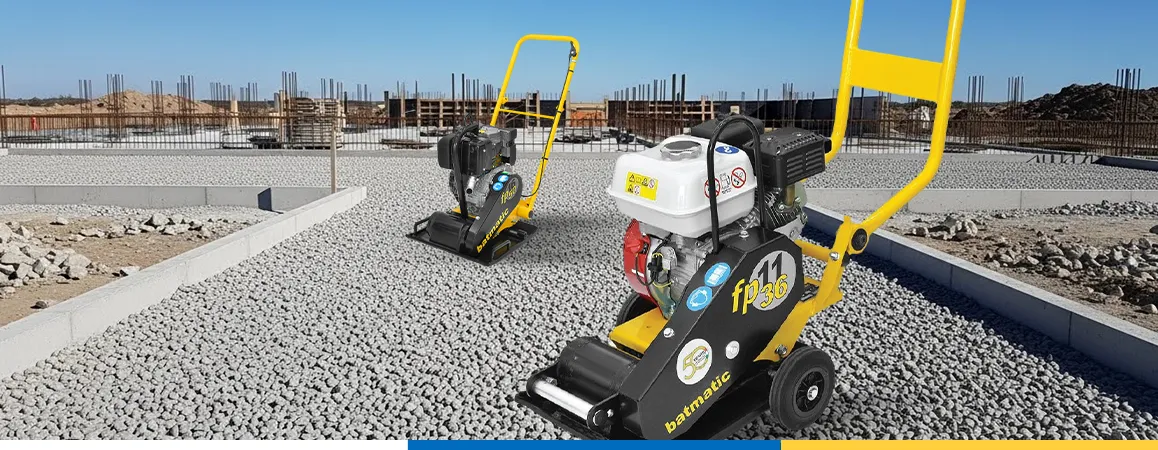
Plate compactors are indispensable tools for anyone involved in construction, landscaping, or paving projects. Understanding the different types of plate compactors available can help you make an informed decision, ensuring that you choose the right tool for your specific needs. There are three primary types of plate compactors: single-plate compactors, reversible plate compactors, and high-performance/heavy-duty plate compactors. Each type has its unique features and applications, making it essential to know their differences.
Single-plate compactors, also known as forward plate compactors, are the most common and versatile type. They are typically used for smaller projects such as compacting soil, gravel, and asphalt in confined areas. These compactors move in a single forward direction and are relatively easy to operate. They are ideal for homeowners or contractors working on driveways, walkways, and small landscaping tasks. Their lightweight design and maneuverability make them a popular choice for various projects.
Reversible plate compactors offer a significant advantage over single-plate models due to their ability to move in both forward and reverse directions. This feature allows for more efficient compaction, especially in larger areas or tight spaces where turning the machine around is challenging. Reversible compactors are generally more powerful and can handle a broader range of materials, including cohesive soils and heavy-duty applications. They are commonly used in road construction, trench compaction, and other demanding projects where higher compaction forces are required.
High-performance or heavy-duty plate compactors are designed for the most demanding applications, such as large-scale construction sites, highways, and airport runways. These compactors come equipped with advanced features like higher centrifugal forces, larger plate sizes, and increased engine power. They are capable of compacting thick layers of material quickly and efficiently, making them suitable for projects that require deep compaction. While these machines are more expensive and require skilled operators, their performance and durability make them a worthwhile investment for professional contractors.
When choosing a plate compactor, several key features should be considered to ensure you select the right tool for your project. These features include the compaction force, plate size, engine type, and additional functionalities that can enhance the machine's performance and ease of use. Understanding these features will help you make an informed decision and maximize the efficiency of your compaction tasks.
The compaction force, measured in pounds or kilonewtons, is a critical factor in determining a plate compactor's effectiveness. This force is generated by the machine's vibrating mechanism and directly impacts the compactor's ability to compact different materials. Higher compaction force is necessary for compacting dense or cohesive soils, while lighter force is suitable for granular materials like sand and gravel. It is essential to match the compaction force with the specific requirements of your project to achieve optimal results.
Plate size is another important consideration, as it affects the compactor's coverage area and maneuverability. Larger plates can cover more ground in fewer passes, making them ideal for extensive projects. However, they may be less maneuverable in confined spaces. Smaller plates offer greater flexibility and ease of use in tight areas but may require more passes to achieve the desired compaction. Selecting the appropriate plate size depends on the scale and complexity of your project, as well as the accessibility of the work area.
The engine type and power also play a significant role in a plate compactor's performance. Most plate compactors are powered by either gasoline or diesel engines, with each type offering distinct advantages. Gasoline engines are generally lighter, quieter, and easier to start, making them suitable for residential or light commercial use. Diesel engines, on the other hand, provide more power and fuel efficiency, making them better suited for heavy-duty applications. Additionally, some plate compactors come with electric start options, reducing the effort required to start the machine. Evaluating the engine type and power ensures that the compactor meets the demands of your project.
Understanding the specifications of a plate compactor is essential for choosing the right machine for your needs. These specifications include the machine's weight, frequency, amplitude, and travel speed. Each of these factors influences the compactor's performance and suitability for different types of materials and project requirements. By comprehending these specifications, you can make a more informed decision and ensure that the compactor you choose will deliver the desired results.
The weight of a plate compactor is a crucial specification that affects its compaction ability and ease of use. Heavier compactors generally provide more effective compaction, as the additional weight helps to apply more force to the material being compacted. However, heavier machines can be more challenging to transport and maneuver, especially in confined spaces. Lighter compactors are easier to handle and transport but may require more passes to achieve the same level of compaction. Selecting the right weight depends on the project's requirements and the operator's ability to handle the machine.
Frequency, measured in vibrations per minute (vpm), refers to the number of times the plate vibrates in a minute. Higher frequency compactors are suitable for granular materials like sand and gravel, as the rapid vibrations help to settle the particles more effectively. Lower frequency compactors are better for cohesive soils, as the slower vibrations allow for deeper penetration and compaction. Understanding the frequency of a plate compactor helps ensure that you choose a machine that is compatible with the type of material you are working with.
Amplitude, measured in millimeters, indicates the vertical movement of the compactor's plate during operation. Higher amplitude results in more significant vertical movement, making the compactor more effective at compacting thicker layers of material. Lower amplitude is suitable for thinner layers or more delicate materials that require a gentler touch. The amplitude specification is particularly important for projects that involve multiple layers of material, as it ensures that each layer is compacted adequately to prevent future settling or shifting.
Travel speed, measured in feet per minute (fpm), determines how quickly the compactor can move across the work area. Faster travel speeds allow for quicker completion of large projects but may require more passes to achieve the desired compaction. Slower travel speeds provide more thorough compaction in a single pass but can extend the project's overall duration. Selecting the appropriate travel speed depends on the project's size, material type, and the desired level of compaction.
Selecting the right size plate compactor for your project is crucial to achieving optimal results. The size of the compactor affects its coverage area, maneuverability, and compaction efficiency. To determine the appropriate size, consider the scale of your project, the type of material you are compacting, and the accessibility of the work area. By evaluating these factors, you can choose a compactor that will deliver the best performance for your specific needs.
For small to medium-sized projects, such as residential driveways, walkways, and garden paths, a compact and lightweight plate compactor is often sufficient. These smaller machines are easier to maneuver in confined spaces and provide adequate compaction for granular materials like sand, gravel, and asphalt. They are also more convenient to transport and store, making them ideal for homeowners and small contractors who need a versatile and portable tool.
Larger projects, such as commercial parking lots, road construction, and large landscaping tasks, require more powerful and robust plate compactors. These machines typically have larger plates and higher compaction forces, allowing them to cover more ground in fewer passes and achieve deeper compaction. While they may be more challenging to maneuver in tight spaces, their increased efficiency and performance make them well-suited for extensive projects that require thorough and consistent compaction.
In addition to the project's scale, consider the type of material you are compacting when choosing the right size plate compactor. Cohesive soils, such as clay and silt, require higher compaction forces and larger plate sizes to achieve adequate compaction. Granular materials, like sand and gravel, can be effectively compacted with smaller and lighter machines. By matching the compactor size to the material type, you can ensure that the machine delivers the desired results without causing damage or excessive wear.
The accessibility of the work area also plays a role in determining the appropriate compactor size. In confined spaces, such as narrow trenches or areas with obstacles, a smaller and more maneuverable compactor is essential for navigating the tight confines and achieving even compaction. In open areas with ample space, larger compactors can be used to maximize efficiency and coverage. Assessing the work area's accessibility helps ensure that you choose a compactor that can operate effectively within the project's constraints.
Plate compactors are versatile tools used in a wide range of applications, from residential landscaping to large-scale construction projects. Understanding the various applications of plate compactors can help you determine their suitability for your specific needs. Whether you are building a new driveway, installing a patio, or constructing a road, plate compactors play a crucial role in ensuring a stable and durable foundation.
In residential applications, plate compactors are commonly used for compacting soil, gravel, and asphalt in driveways, walkways, and garden paths. Proper compaction is essential for creating a stable base that can withstand the weight of vehicles and foot traffic. Without adequate compaction, these surfaces are prone to settling, cracking, and shifting over time. Plate compactors help achieve a solid foundation, ensuring the longevity and performance of the finished surface.
In landscaping projects, plate compactors are used to prepare the ground for the installation of patios, retaining walls, and other hardscape features. Compaction is crucial for creating a level and stable base that can support the weight of pavers, stones, and other materials. Plate compactors also help prevent future settling and erosion, which can compromise the integrity of the hardscape. By using a plate compactor, landscapers can ensure that their projects are built on a solid and reliable foundation.
In construction and road-building applications, plate compactors are used to compact soil, sub-base materials, and asphalt layers. Proper compaction is vital for creating a stable and durable foundation that can support the weight of heavy equipment, vehicles, and structures. Plate compactors help achieve the required density and uniformity of the materials, preventing future settling and ensuring the structural integrity of the finished project. In road construction, plate compactors are used to compact the sub-base and asphalt layers, creating a smooth and durable surface that can withstand the demands of traffic.
Plate compactors are also used in trench compaction, where they help ensure that the backfill material is adequately compacted to prevent future settling and subsidence. This is particularly important in utility and pipeline installations, where proper compaction is essential for maintaining the stability and integrity of the buried infrastructure. By using a plate compactor, contractors can achieve the necessary compaction levels and ensure the long-term performance of the trench.
Operating a plate compactor requires attention to safety to prevent accidents and injuries. Plate compactors are powerful machines that can pose risks if not used correctly. By following essential safety tips, operators can ensure a safe and efficient compaction process. These tips include wearing appropriate personal protective equipment (PPE), conducting pre-operation inspections, and following safe operating procedures.
Wearing the right PPE is crucial when operating a plate compactor. Operators should wear sturdy work boots to protect their feet from the machine's weight and potential impacts. Hearing protection is essential, as plate compactors generate high noise levels that can cause hearing damage over time. Gloves should be worn to protect hands from vibrations and potential abrasions. Additionally, wearing safety glasses or goggles can protect the eyes from flying debris and dust. Proper PPE helps minimize the risk of injuries and ensures a safer working environment.
Conducting pre-operation inspections is another important safety measure. Before starting the compactor, operators should check the machine for any signs of damage or wear. This includes inspecting the plate for cracks or deformities, checking the engine for oil and fuel levels, and ensuring that all bolts and fasteners are secure. Regular maintenance checks help identify potential issues before they become safety hazards. If any problems are detected, they should be addressed immediately to prevent accidents during operation.
Following safe operating procedures is essential for preventing accidents and ensuring efficient compaction. Operators should always start the compactor on a level surface to prevent it from tipping over. The machine should be operated at a steady pace, avoiding sudden movements that can cause loss of control. When compacting on slopes, operators should work up and down the slope rather than across it to maintain stability. It is also important to maintain a safe distance from other workers and obstacles to prevent collisions and injuries.
Proper handling of the compactor's controls is crucial for safe operation. Operators should use both hands to maintain a firm grip on the handles and avoid placing their hands or feet near the moving parts. When maneuvering the compactor, operators should be mindful of their surroundings and avoid operating the machine near edges or drop-offs. If the compactor needs to be transported, it should be turned off and allowed to cool down before being loaded onto a vehicle. Following these safety tips helps ensure that the compactor is used safely and effectively.
Regular maintenance and care are essential for keeping your plate compactor in optimal working condition. Proper maintenance helps extend the life of the machine, ensures consistent performance, and prevents costly repairs. By following a routine maintenance schedule and addressing any issues promptly, you can keep your plate compactor operating smoothly and efficiently.
One of the most important aspects of plate compactor maintenance is keeping the machine clean. After each use, the compactor should be cleaned to remove any dirt, debris, and materials that may have accumulated on the plate and other components. This helps prevent the buildup of materials that can cause wear and damage over time. Cleaning the machine also provides an opportunity to inspect it for any signs of damage or wear that may need attention.
Regularly checking and maintaining the engine is crucial for the compactor's performance and longevity. This includes monitoring oil and fuel levels, changing the oil according to the manufacturer's recommendations, and inspecting the air filter for cleanliness. The spark plug should also be checked and replaced if necessary to ensure reliable starting and operation. Keeping the engine in good condition helps maintain the compactor's power and efficiency.
The vibrating mechanism of the plate compactor also requires regular maintenance. This includes inspecting the vibration components, such as the eccentric weights and bearings, for any signs of wear or damage. Lubricating these components as recommended by the manufacturer helps reduce friction and wear, ensuring smooth and efficient operation. If any parts are found to be damaged or excessively worn, they should be replaced promptly to prevent further issues.
In addition to regular maintenance, it is important to follow the manufacturer's guidelines for operating and storing the compactor. This includes using the machine within its specified limits and avoiding overloading it with materials that exceed its capacity. Proper storage involves keeping the compactor in a dry and secure location, away from moisture and extreme temperatures. Storing the machine properly helps prevent rust and damage, ensuring that it is ready for use when needed.
By following these maintenance and care tips, you can keep your plate compactor in excellent condition and ensure that it delivers reliable performance for your compaction tasks. Regular maintenance not only extends the life of the machine but also helps prevent unexpected breakdowns and costly repairs.
Choosing the right plate compactor is crucial for achieving optimal results in your landscaping or construction projects. By understanding the different types of plate compactors, key features to consider, and the importance of matching the machine to your specific needs, you can make an informed decision that ensures efficient and effective compaction. Evaluating the specifications, size, and applications of plate compactors helps you select the appropriate tool for your project.
Safety is paramount when operating a plate compactor, and following essential safety tips helps prevent accidents and injuries. Wearing the right PPE, conducting pre-operation inspections, and adhering to safe operating procedures are vital for ensuring a safe and efficient compaction process. Regular maintenance and care are also crucial for keeping your plate compactor in optimal working condition, extending its lifespan, and preventing costly repairs.
When comparing popular plate compactor brands, consider the reputation, quality, and performance of each brand's machines. Brands like Batmatic are known for their reliable and high-performance compactors, making them trusted choices for professionals and contractors. By evaluating the features, performance, and customer reviews of these brands, you can select a plate compactor that meets your specific requirements and delivers the desired results.
In conclusion, choosing the right plate compactor involves careful consideration of various factors, including the type of compactor, key features, specifications, size, and brand reputation. By making an informed decision, you can ensure that your compaction tasks are completed efficiently and effectively, resulting in stable and durable surfaces for your landscaping or construction projects. Whether you are a homeowner, landscaper, or contractor, the right plate compactor can make all the difference in the success of your project.